








loader image
Saturday, February 7, 2026
83.7 F
McAllen
- Advertisement -

Importance of Organ Donations

Translate to Spanish or other 102 languages!

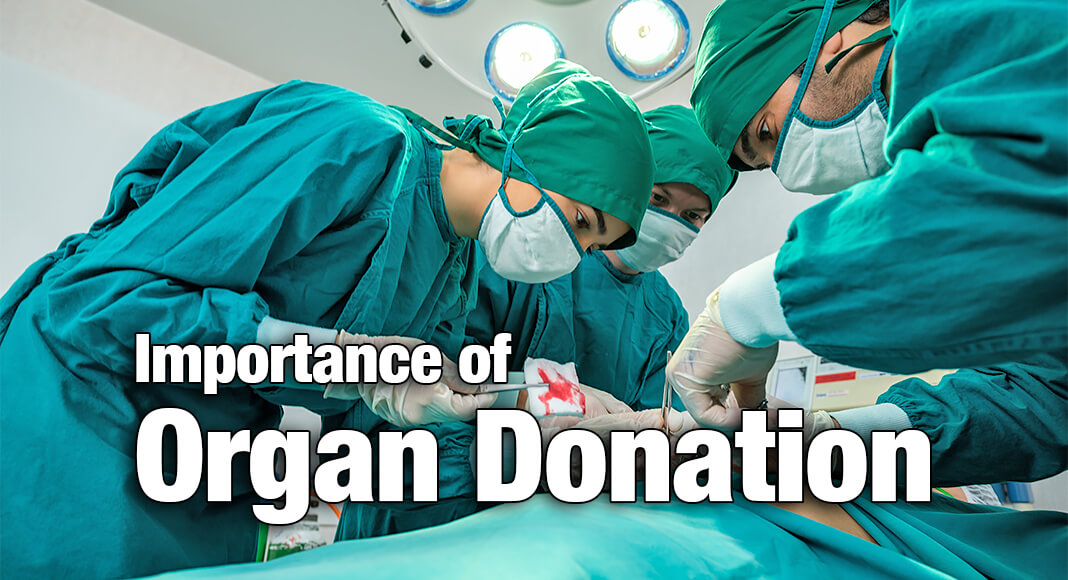
Reports show more than 100,000 people, including children, are currently waiting for an organ transplant here in the United States. Image for illustration purposes
- Advertisement -

CLEVELAND CLINIC – April is Donate Life Month.

Reports show more than 100,000 people, including children, are currently waiting for an organ transplant here in the United States.

And for some, that wait can last months or even years.

- Advertisement -

“There are many individuals that are waiting for organ transplantation, and unfortunately, there are not as many donors that happen from year to year, though it has been gradually increasing through education and online resources that are providing exposure to the necessity for more organs to become available,” said Bobby Zervos, MD, liver transplant specialist at Cleveland Clinic.

Dr. Zervos said the organ donation process is extremely thorough to ensure the organ is healthy for transplant and a good match for the recipient.

On average, one organ donor can save up to eight lives.

He said while wait times for organ donations can be long, new advancements in technology seem to be helping.

- Advertisement -

Research has found organ perfusion pumps can improve the quality of certain organs that would have previously been considered high risk.

The pump works by circulating blood through the organ after it’s been removed from the body.

“The results have been phenomenal. So, it’s not only that we’re now able to use more organs, but it’s also improving the quality of the organs, even to the point where we’re putting healthy quality organs on the pump because that revitalization that takes place during that process can help even the highest quality of organs be that much better,” he explained.

Dr. Zervos said people also have the option of being a living donor, which means they can donate part of an organ while they’re still alive to someone else in need.


- Advertisement -
- Advertisement -

- Advertisement -

More Articles

Inside the Physiology and Neuroscience of Winter Olympians

What makes Olympians the very best at what they do — even in cold, slippery or icy conditions? 

Study Finds 60% of American Women Choose Clinic Visits Over At‑Home Cervical Screening

American women now have the option of screening for cervical cancer at home, using newly approved self-collection tools. While experts hope this will increase uptake in the under-screened population, a first-of-its kind study by researchers from The University of Texas MD Anderson Cancer Center found the majority (60.8%) still prefer to see a medical professional in-clinic.

Food Safety Tips for a Healthy Super Bowl Sunday

Super Bowl parties often feature takeout, delivery and foods that are served over several hours. To help prevent foodborne illness, the U.S. Department of Agriculture’s (USDA) Food Safety and Inspection Service (FSIS) is reminding fans to keep food safety in play on game day.

FDA Updates Guidance on “No Artificial Colors” Labels as Natural Options Expand

The U.S. Food and Drug Administration took additional steps to support the transition of our nation’s food supply from the use of artificial petroleum-based colors to alternatives derived from natural sources. Companies will now have flexibility to claim products contain ‘no artificial colors’ when the products do not contain petroleum-based colors. In the past, companies were generally only able to make such claims when their products had no added color whatsoever — whether derived from natural sources or otherwise
- Advertisement -
×
