








loader image
Tuesday, January 27, 2026
39 F
McAllen
- Advertisement -

Can a Nightlight Impact your Child’s Sleep?

Translate to Spanish or other 102 languages!

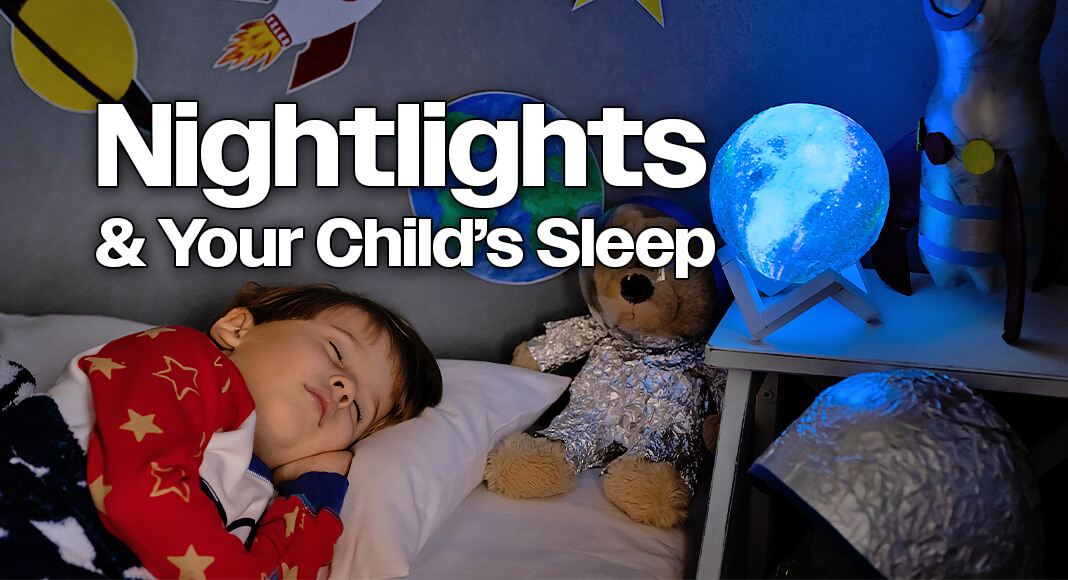
“Nightlights can significantly impact a child's sleep, but it really depends on the type of light that you use, the brightnesses of it, the color of it,” said Brian Chen, MD, sleep specialist for Cleveland Clinic. Image for illustration purposes
“Nightlights can significantly impact a child’s sleep, but it really depends on the type of light that you use, the brightnesses of it, the color of it,” said Brian Chen, MD, sleep specialist for Cleveland Clinic. Image for illustration purposes
- Advertisement -

CLEVELAND CLINIC – There are all kinds of reasons a child may have trouble falling asleep or staying asleep, but one factor that could be playing a role is their nightlight.

That little source of light can actually be pretty disruptive.

“Nightlights can significantly impact a child’s sleep, but it really depends on the type of light that you use, the brightnesses of it, the color of it,” said Brian Chen, MD, sleep specialist for Cleveland Clinic. “Generally bright blue lights, like the color of the sky, significantly affect our normal melatonin production, which controls our circadian rhythm. So, our sleep schedules can get really messed up by bright lights, blue lights at nighttime.”

- Advertisement -

Dr. Chen said research shows a red-colored nightlight is best for bedtime because it doesn’t disrupt melatonin production.

However, little kids may find the color red scary in the dark, so a good alternative would be something that’s orange or amber-colored.

The placement of a nightlight matters too.

Dr. Chen recommends keeping it lower to the ground, if possible, and making sure it doesn’t illuminate the ceiling.

- Advertisement -

He adds nightlights are really about personal preference, some kids may need them and some may not, and that’s okay.

“Another option is for the nightlight to slowly dim and then goes off at nighttime. If they can tolerate that, then that’d be great,” he said. “Or maybe they just need a nightlight for them to know that it’s bedtime, and then after they’ve fallen asleep, it’d be great if the nightlight turns off and it is dark.”

Dr. Chen said if your child has had sleep issues for a while and doesn’t seem to be improving, it’s best to consult with their pediatrician.


- Advertisement -
- Advertisement -

- Advertisement -

More Articles

UCLA Researchers Identify Bacterial Role in Kidney Stone Formation

 In an unexpected finding, a UCLA-led team has discovered that bacteria are present inside the most common type of kidney stone, revealing a previously unrecognized component involved in their formation.

Why Low‑Protein, High‑Sugar Foods Leave You Hungry

“Foods low in protein, high in refined sugars and lacking heart-healthy fats tend to leave us feeling hungry,” Eury said. “Examples would include sugary cereals, donuts, granola bars, white pasta and sweetened smoothies.”

How Much Protein Is Too Much? Experts Explain

New federal dietary guidelines and social media influencers certainly make protein-centric lifestyles seem like the right option. But a UNLV nutrition expert says the answer is more nuanced; it depends on the individual and what they hope to accomplish with their protein intake.

Urgent Care or the Emergency Department? How to Know Where to Go

From the busy cold and flu season to winter sports injuries and slips on the ice, it can be difficult to determine whether a sudden health concern requires a trip to urgent care or the emergency department (ED).
- Advertisement -
×
