



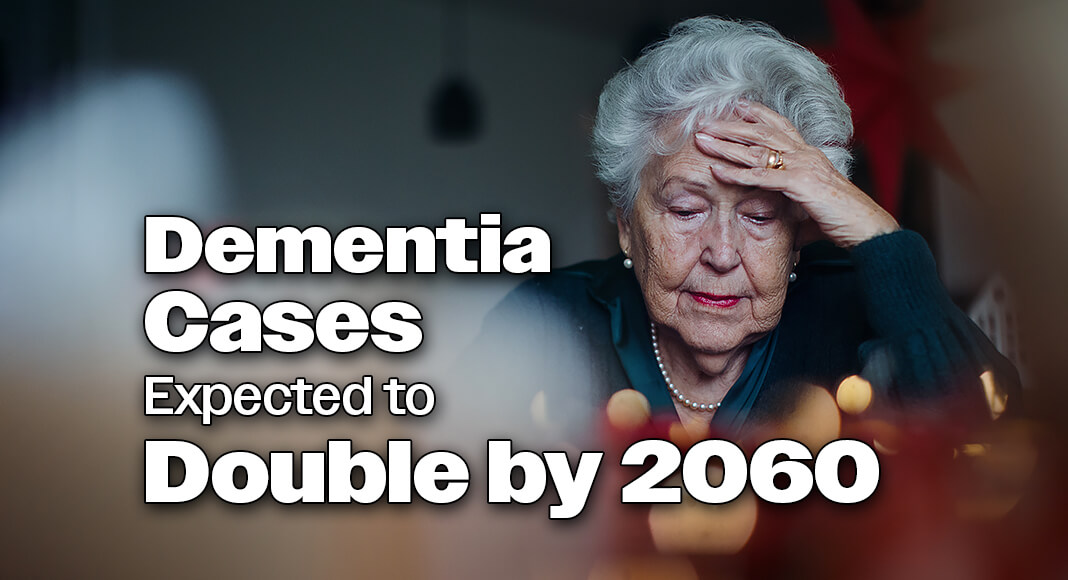
Dementia Cases Expected to Double by 2060, Study Shows

Translate to Spanish or other 102 languages!

“The number of people over the age of 65 is expected to increase consistently over the many decades coming up, and age is the highest risk factor for onset of dementia,” explained Jagan Pillai, MD, neurologist at Cleveland Clinic. image for illustration purposes
- Advertisement -

CLEVELAND CLINIC – According to a recent study, the number of dementia cases here in the United States is expected to double by the year 2060.

But, why is that?

“The number of people over the age of 65 is expected to increase consistently over the many decades coming up, and age is the highest risk factor for onset of dementia,” explained Jagan Pillai, MD, neurologist at Cleveland Clinic.
- Advertisement -

Dr. Pillai was not a part of the study but said the findings highlight why more research is needed when it comes to prevention and treatment.

He also noted the disparities reported among women and black people.

The study shows they have a higher lifetime risk for dementia.

Dr. Pillai said dementia results from a decline in a person’s memory, reasoning, language, coordination or behavior, and can make it very difficult for someone to take care of themselves.

- Advertisement -

And while age is one of the biggest risk factors for dementia, lifestyle choices like smoking, family history and heart health can play a role too.

Diet and exercise also seem to help stave off the onset of dementia.

“The more physically active you are, that decreases your dementia risk. Healthy eating habits, like Mediterranean diet, are shown to be effective, along with being socially and cognitively engaged,” he said. “Picking up new skills, being socially active and engaged in the community also seems to stave about the onset of dementia.”

Right now, there is no cure for dementia.

However, there are different treatment options available which can, in some cases, help slow the progression of symptoms.


- Advertisement -
- Advertisement -

- Advertisement -

More Articles

Mayo Clinic Q&A: Heartburn or heart attack? How to tell the difference

Many people worry that heartburn-like symptoms could be a heart attack — and that concern is understandable.

AI-Powered Blood Test Successfully Detects Liver Cancer

Researchers at the Johns Hopkins Kimmel Cancer Center validated an artificial intelligence (AI)-powered blood test that accurately detected liver cancer in people from two geographically and biologically distinct populations and also uncovered the underlying biological signals that make the test effective.

Updated Level IV Trauma Center Standards Announced by ACS

The American College of Surgeons Committee on Trauma (ACS COT) has released new standards for Level IV trauma centers. The new resource, Resources for Optimal Care of the Injured Patient: Level IV Trauma Center Standards (2026), can help Level IV trauma centers assess capabilities, identify improvement opportunities, and strengthen trauma care delivery. 

Is Your Daily Coffee Bad for Your Heart?

Love coffee? You’re hardly alone. But what is the caffeine in your mug doing to your heart health?
- Advertisement -