
Mega Doctor News


KEY POINTS
- Dengue viruses are spread to people through mosquito bites.
- A person can be infected with dengue multiple times in their life.
- Each year, up to 400 million people are infected by a dengue virus.
What it is
Dengue is a viral disease caused by any of the four related viruses: dengue virus 1, 2, 3, and 4.

There are four different but closely-related dengue virus types: dengue-1, dengue-2, dengue-3, and dengue-4.
The most common dengue symptom is fever with:
- Aches and pains (eye pain, typically behind the eyes, muscle, joint, or bone pain)
- Nausea, vomiting
- Rash
- Any warning sign
Keep Reading: Symptoms of Dengue and Testing
- Symptoms of dengue usually begin within 2 weeks after being bitten by an infected mosquito.
- Symptoms typically last 2–7 days. Most people will recover after about a week.
Dengue transmission is common in tropical and subtropical areas of the world.
Keep Reading: Areas with Risk of Dengue
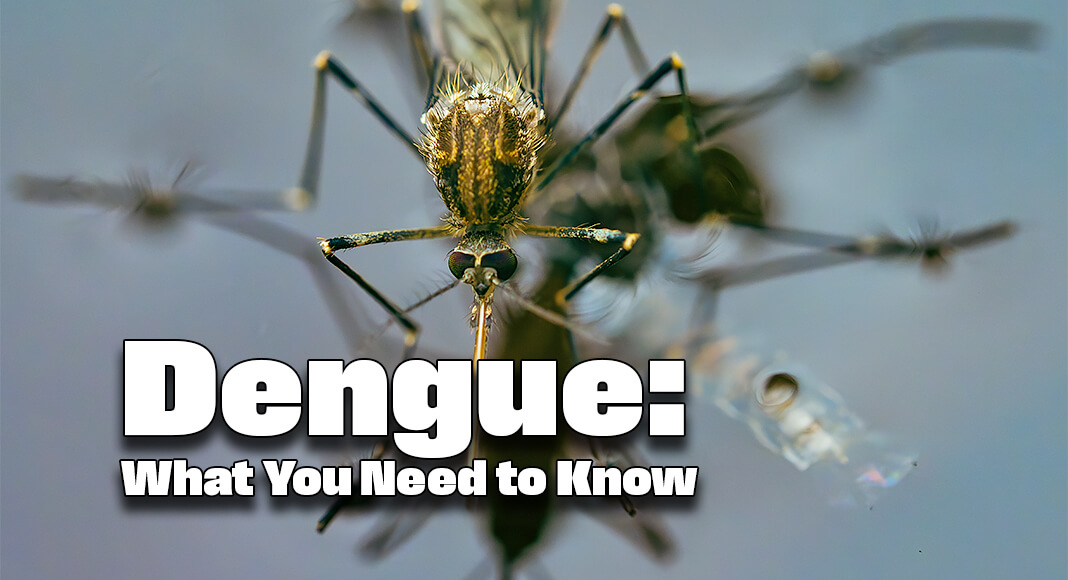
Dengue viruses are mainly spread to people by the bite of an infected Aedes mosquito.
Keep Reading: How Dengue Spreads
The best way to prevent dengue is to avoid mosquito bites.
In the United States, there is a dengue vaccine recommended for use in children 9 through 16 with laboratory confirmation of a previous dengue infection, living in areas where dengue is common.
Keep Reading: Preventing Dengue
- There is no specific medicine to treat dengue.
- Rest as much as possible.
- Take acetaminophen to control fever and relieve pain.
- Drink plenty of fluids to stay hydrated.
- See a healthcare provider if you develop a fever or have symptoms of dengue. Tell him or her about your travel.
In the United States, there is a dengue vaccine recommended for use in children 9 through 16 with laboratory confirmation of a previous dengue infection, living in areas where dengue is common.
The vaccine is not approved for use in U.S. travelers who are visiting but not living in an area where dengue is common.
Keep Reading:About a Dengue Vaccine
Information: CDC
See Related Stories: