







Mega Doctor News

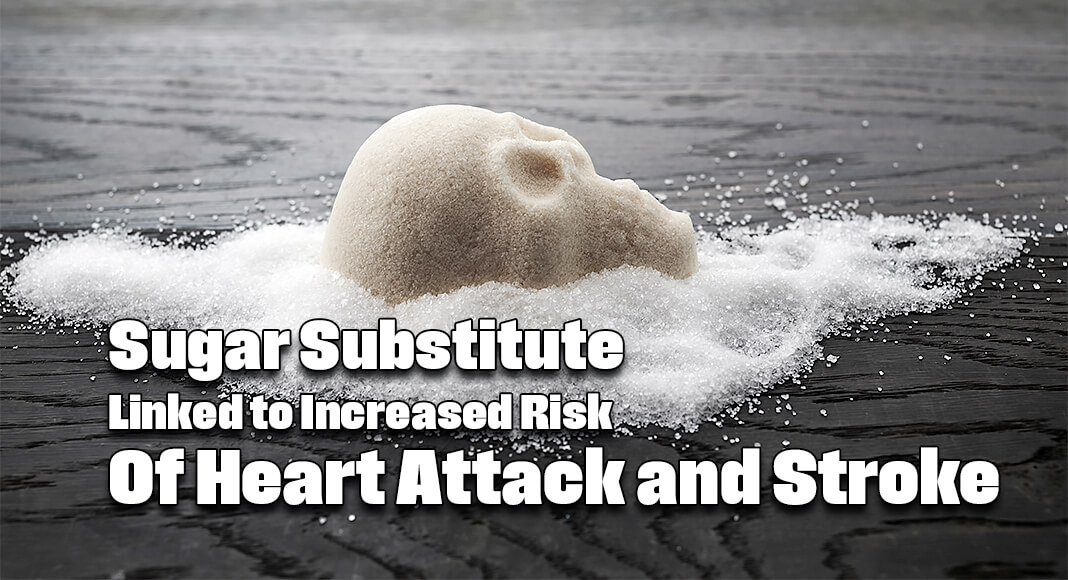
Cleveland Clinic researchers found higher amounts of the sugar alcohol xylitol are associated with increased risk of cardiovascular events like heart attack and stroke.
The team, led by Stanley Hazen, M.D., Ph.D., confirmed the association in a large-scale patient analysis, preclinical research models and a clinical intervention study. Findings were published today in the European Heart Journal.
Xylitol is a common sugar substitute used in sugar-free candy, gums, baked goods and oral products like toothpaste. Over the past decade, the use of sugar substitutes, including sugar alcohols and artificial sweeteners, has increased significantly in processed foods that are promoted as healthy alternatives.


The same research team found a similar link between erythritol and cardiovascular risk last year. Xylitol is not as prevalent as erythritol in keto or sugar-free food products in the U.S. but is common in other countries.
“This study again shows the immediate need for investigating sugar alcohols and artificial sweeteners, especially as they continue to be recommended in combatting conditions like obesity or diabetes,” said Dr. Hazen, Chair of Cardiovascular and Metabolic Sciences at Cleveland Clinic’s Lerner Research Institute and Co-Section Head of Preventive Cardiology in the Heart, Vascular & Thoracic Institute. “It does not mean throw out your toothpaste if it has xylitol in it, but we should be aware that consumption of a product containing high levels could increase the risk of blood clot related events.”
In this new study, researchers identified that high levels of circulating xylitol were associated with an elevated three-year risk of cardiovascular events in an analysis of more than 3,000 patients in the U.S. and Europe. A third of patients with the highest amount of xylitol in their plasma were more likely to experience a cardiovascular event. To confirm the findings, the research team conducted pre-clinical testing and found that xylitol caused platelets to clot and heightened the risk of thrombosis. Researchers also tracked platelet activity from people who ingested a xylitol-sweetened drink versus a glucose-sweetened drink and found that every measure of clotting ability significantly increased immediately following ingestion of xylitol but not glucose.
The authors note that further studies assessing the long-term cardiovascular safety of xylitol are warranted. The research had several limitations, including that clinical observation studies demonstrate association and not causation. They recommend talking to your doctor or a certified dietitian to learn more about healthy food choices and for personalized recommendations.
The research is part of Dr. Hazen’s ongoing investigation into factors that contribute to residual cardiovascular risk. His team follows patients over time and finds chemical signatures in blood that can predict the future development of heart and metabolic disease. He has made pioneering discoveries in atherosclerosis and inflammatory disease research, including the seminal discovery linking gut microbial pathways to cardiovascular disease and metabolic diseases.
Dr. Hazen also directs Cleveland Clinic’s Center for Microbiome and Human Health and holds the Jan Bleeksma Chair in Vascular Cell Biology and Atherosclerosis.
The study was supported in part by National Institutes of Health and the Office of Dietary Supplements.
Disclosures: Dr. Hazen is named as co-inventor on pending and issued patents held by Cleveland Clinic in relation to cardiovascular diagnostics and therapeutics.