







How to Prevent RSV in Infants & Young Children, According to Experts

Translate to Spanish or other 102 languages!

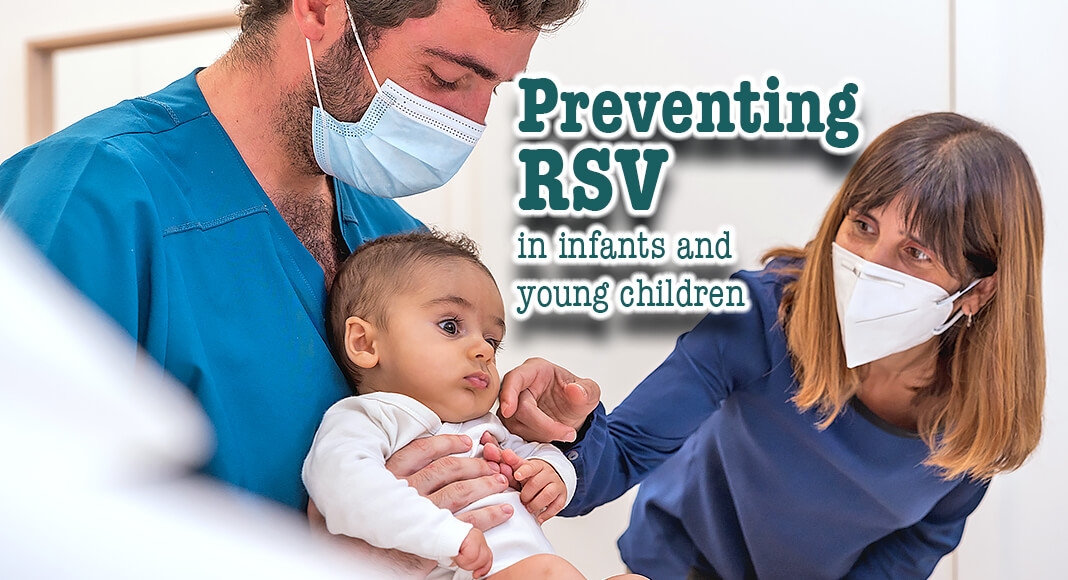
RSV infection can become serious in infants and young children, but there are ways to protect against severe illness. Image for illustration purposes
- Advertisement -
  • Respiratory syncytial virus (RSV) is a common virus that may cause severe symptoms in infants, young children, and even older adults. 
  • RSV is the most common cause of infant hospitalizations in high-income countries. 
  • In 2019, about 1.4 million infants ages 0–6 months globally were hospitalized for episodes of RSV-associated acute lower respiratory infection. 
  • RSV infection can become serious, but there are ways to protect infants and young children from severe illness.

Respiratory syncytial virus (RSV) commonly presents with cold-like symptoms, such as a runny nose and cough.

Follow the link below to Medical News Today to read the full story:

https://www.medicalnewstoday.com/articles/rsv-prevention-infants-young-children

- Advertisement -

Information Source: https://www.medicalnewstoday.com

- Advertisement -

- Advertisement -

- Advertisement -

More Articles

Simple Ways to Pack Healthy Lunches Kids Will Eat

With school back in session, many parents now have the added task of packing lunches again – which can be stressful.

Physicians Urge Updating Child Vaccinations Before School Starts

Texas physicians have an important message for parents as the new school year is about to begin: Ensure your children are current on all their necessary vaccinations. 

FDA Clears First Standalone Robotic Device for Outpatient Blood Draws

Mega Doctor News FDA - The U.S. Food and Drug Administration today authorized...

Study: Limiting Social Media Use Does Not Boost Young Adults’ Well-Being

What happens when young adults are asked to slash their social media use to 30 minutes a day? In a new set of studies, most did not follow through, and those who did cut back reported no greater improvement in well-being than their peers who used social media as usual.
- Advertisement -


