Mega Doctor News
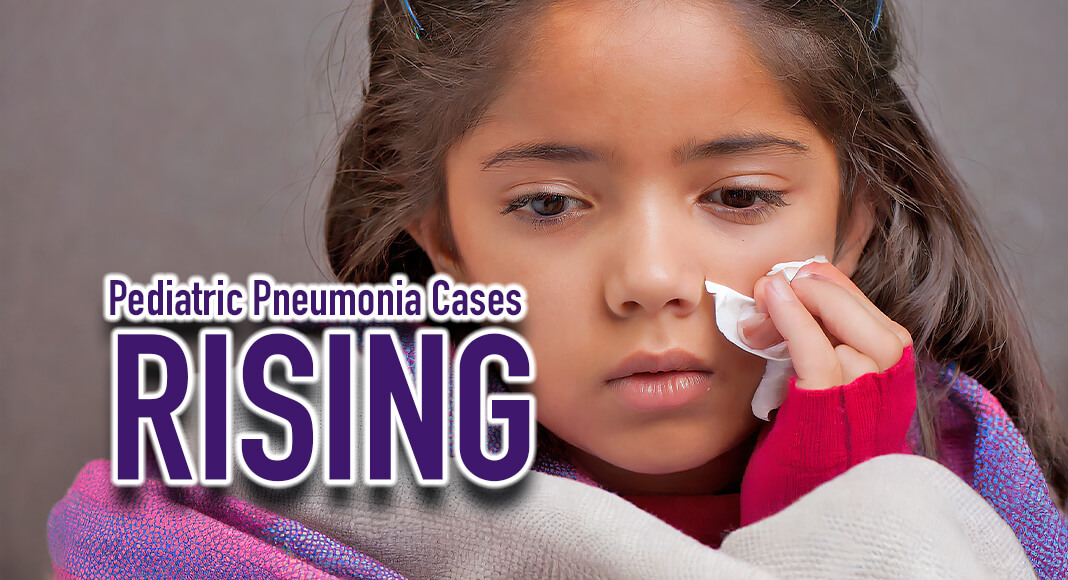
CLEVELAND CLINIC – An increase in pediatric pneumonia cases has been reported by the CDC, and that’s causing concern for some parents.
But, according to Frank Esper, MD, pediatric infectious disease specialist for Cleveland Clinic, pneumonia is pretty common this time of year.
“This is when most children are back in school, and so instead of the summer where you’re out and playing and separated, now you’ve got 20 plus kids in a room next to each other,” said Dr. Esper. “There’s a lot of opportunities for germs to spread, and that’s why this is the time of year we see a lot of pneumonias and other infections.”
For those unfamiliar, pneumonia is an infection of the lungs.

Symptoms in children can include fast or trouble breathing, fever, a cough, which may be dry or produce mucus, chills and fatigue.
An exam is needed to diagnose pneumonia.
Dr. Esper said the good news is that depending on the type, it can be treated with antibiotics, and most kids recover with no problem.
So, what can parents do to help protect their little ones?
He said for starters, make sure they are vaccinated.
“The best protection is vaccination. We actually have pneumonia shots that protect against a very bad bacterial pneumonia called pneumococcus. But there’s also influenza, influenza causes pneumonia, and you can get your flu shot every year,” said Dr. Esper. “COVID causes pneumonia. Any child over the age of six months can get both the flu and the COVID shot.”
Dr. Esper said if your child’s symptoms don’t seem be improving with time, or they’re really having trouble breathing, you should call your pediatrician.