Mega Doctor News

By American Academy of Sleep Medicine (AASM)
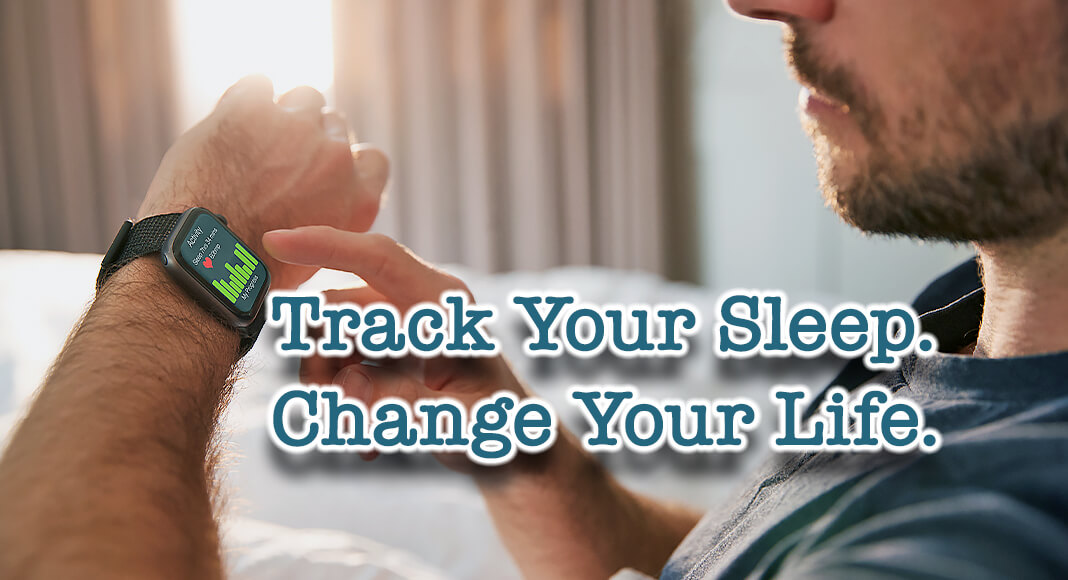
Newswise — Many Americans are interested in tracking and learning about their sleeping habits to optimize sleep quality, using tools such as wearable devices or mobile apps. According to a 2023 survey from the American Academy of Sleep Medicine, more than one-third of Americans (35%) have used an electronic sleep-tracking device. A majority of those who have tried one found the sleep tracker was helpful (77%), and many have changed behavior because of what they learned (68%).
“As sleep trackers continue to grow in popularity, we have seen more people pay attention to their sleep quality, sleep routine and sleep duration,” said sleep medicine physician Dr. Seema Khosla, a spokesperson for the AASM. “It is important to use the information in the context of how you feel. If your sleep is not restorative and your sleep tracker shows low oxygen levels at night, it is best to have this evaluated further by your primary care or sleep clinician.”

Although taking the initiative to improve sleep quality by paying closer attention to your habits is beneficial, the survey also found that monitoring sleep can increase anxiety for some. Whether you track your sleep or not, here are a few tips for fostering healthy sleep habits:
- Give Your Screens a Curfew: Put your phone away and shut down electronic devices at least 30 minutes before bedtime.
- Create a Soothing Sleep Environment: Keep your bedroom lights dim; keep the room at a comfortable, cool temperature; and use a comfortable pillow, mattress and bedding that promote restful sleep.
- Establish a Relaxing Bedtime Routine: Try reading, taking a bath or meditating to unwind before going to bed.
“Sleep trackers can help to keep us accountable. They can encourage us to maintain a consistent bedtime and rise time and remind us that we should aim to get between seven and nine hours of sleep a night,” Khosla added. “They also remind us about the importance of regular exercise and maintaining a healthy lifestyle. Having access to all this information can be overwhelming, so if your tracker is causing you to lose sleep, it is okay to put it away.”
If you are concerned about your sleep health or habits, you can get help from the sleep team at an AASM-accredited sleep center.
Download these 2023 AASM Sleep Prioritization Survey results from the AASM newsroom. To learn more about the importance of healthy sleep, visit SleepEducation.org.
About the Survey
The American Academy of Sleep Medicine commissioned an online survey of 2,005 adults in the U.S. The overall margin of error fell within +/- 2 percentage points with a confidence interval of 95 percent. Fieldwork took place between March 24-29, 2023. Atomik Research is an independent market research agency.
About the American Academy of Sleep Medicine
Established in 1975, the AASM advances sleep care and enhances sleep health to improve lives. The AASM has a combined membership of 12,000 accredited sleep centers and individuals, including physicians, scientists and other health care professionals who care for patients with sleep disorders. As the leader in the sleep field, the AASM sets standards and promotes excellence in sleep medicine health care, education and research (aasm.org).