Mega Doctor News
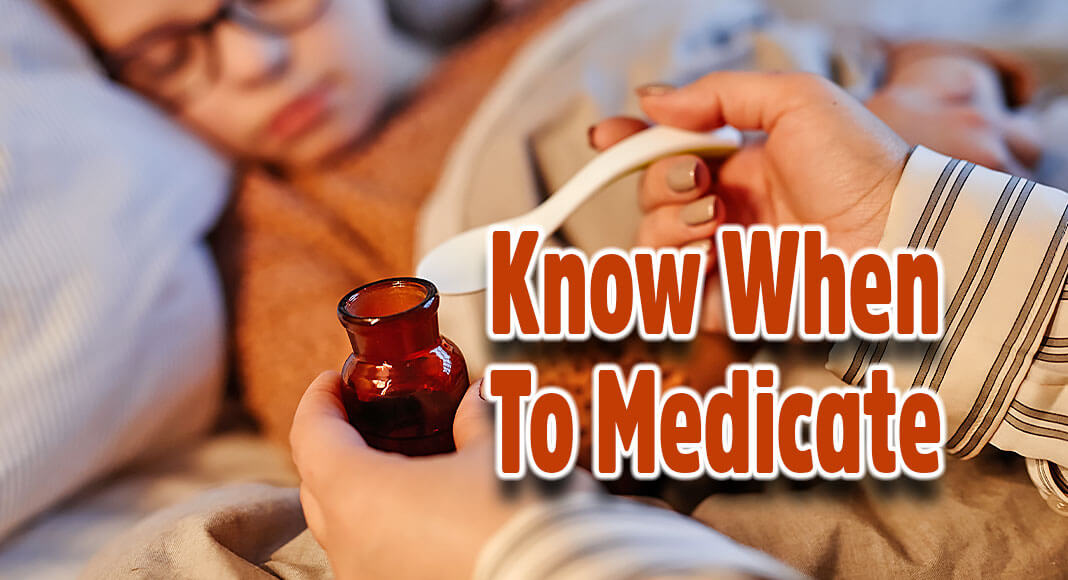
CLEVELAND CLINIC – A recent poll found one in three parents may be giving their children fever-reducing medication unnecessarily, which wasn’t shocking for Maureen Ahmann, MD, pediatrician for Cleveland Clinic Children’s.
“I am not surprised. A lot of parents give their children fever-reducing medications if their child’s temperature is 98.9 or 99 degrees, and we really don’t recommend that,” said Dr. Ahmann.
Dr. Ahmann said it’s important for parents to treat the child and not the number shown on the thermometer.

For example, if a child has a 102 degree temperature but seems comfortable otherwise and is eating and drinking, she wouldn’t recommend giving them fever-reducing medication.
That’s because in some cases, a fever is a good thing as it can help stimulate the immune system to fight off infections.
Fever-reducing medication can also mask other symptoms that may be important for a doctor to know about.
However, if a child has a high temperature and appears to be in pain and is refusing fluids, Dr. Ahmann said giving medication is okay.
Ultimately though, if you’re ever unsure of what to do, she recommends calling your pediatrician.
“If your child gets a fever and you have questions, call us. If the fever lasts more than a few days or if your child is less than three months old, or if the fever is over 104 degrees, or really the child just looks like they are in pain, they’re not acting well, we ask for you to call us,” she said.
Dr. Ahmann said as far as treating fevers at home goes, she said the key is to make sure your child stays hydrated and comfortable.
If you notice they have chills, she said do not bundle them up in blankets. That could make their temperature rise even more.