
Mega Doctor News

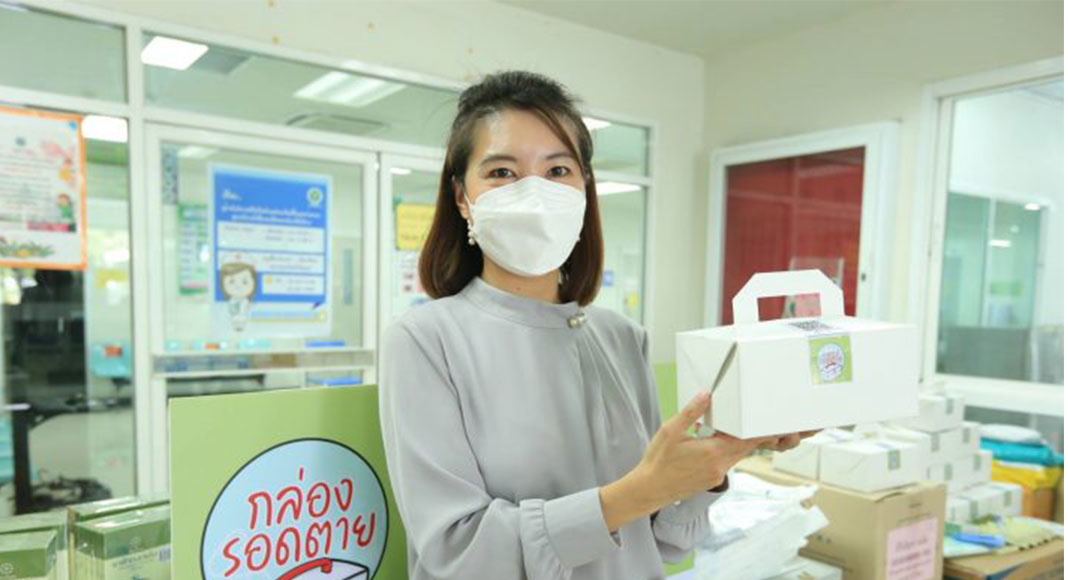
Newswise — Chula Engineering has come up with an idea to help COVID-19 patients handle the crisis of hospital bed shortage and the overflowing number of patients by providing them with “a survival kit” complete with essential items and guidelines for self-care at home, as well as communication channels with officials while waiting for their beds. This is to help relieve the patients’ anxiety and to enable the community to survive the crisis together.
As the COVID-19 outbreak in Thailand continues to spread widely, the number of infected people across the country is rising steadily to more than ten thousand per day causing severe shortages of hospital beds. As reported in the news, overflowing patients who are waiting for hospital beds lined up outside the hospital buildings, in the parking lots, and many more are waiting in their homes risking infecting family members which may eventually lead to death.

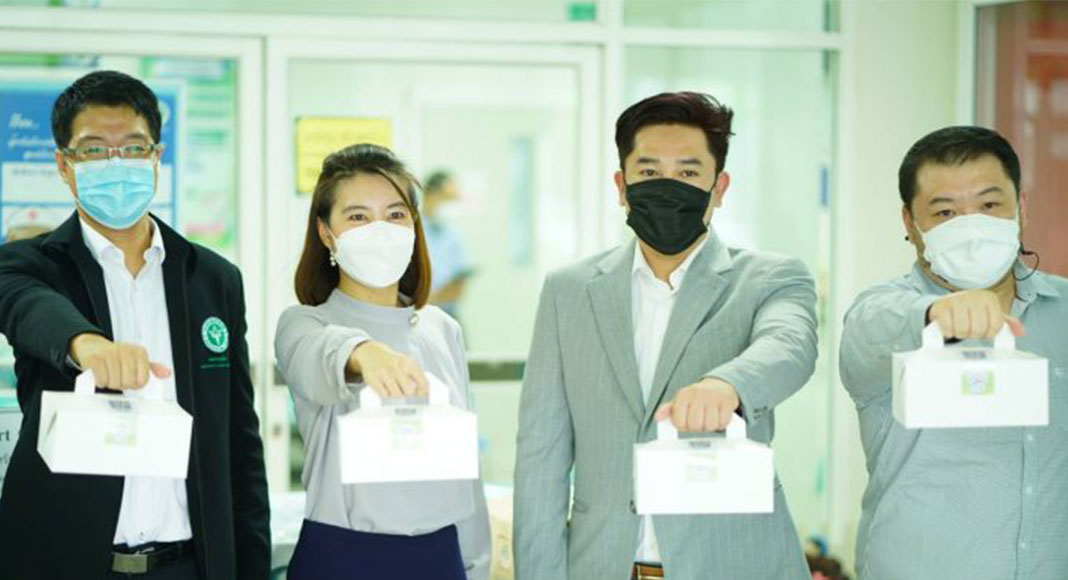
To address this problem, the Faculty of Engineering, Chulalongkorn University, and Chulalongkorn University Alumni Association under the King’s Patronage have collaborated with the Institute for Urban Disease Control and Prevention (IUDC), the Department of Disease Control, and the private sector, such as Engine Life Co., Ltd. and The Sharpener to come up with a “survival kit” to help COVID-19 patients while waiting for their hospital beds.
Why “Survival Kit”?
“This is a crisis. While infected people are waiting for their hospital beds, they need help, care, and close monitoring. The survival kit is for self-care so that the symptoms won’t get worse,” said Asst. Prof. Dr. Juthamas Rattanavaraporn, Chairperson of the Biomedical Engineering Program, Faculty of Engineering, Chulalongkorn University. Also, she revealed that the naming of the kit is straightforward, literally translates as “survival box” in Thai. Both the public and the media have shown interested and are ready to support the project.
The survival kits are sent to those who have tested positive in the IUDC proactive screening. This is an important mission to bring patients into the system and make it easier to track their symptoms. However, the project is currently limited to the cases found by IUDC. Primarily, Chula has sent the first lot of 100 kits to IUDC (7 July 2021) and aims for at least 10,000 kits to be distributed to as many patients as possible.
What’s in the survival kit?
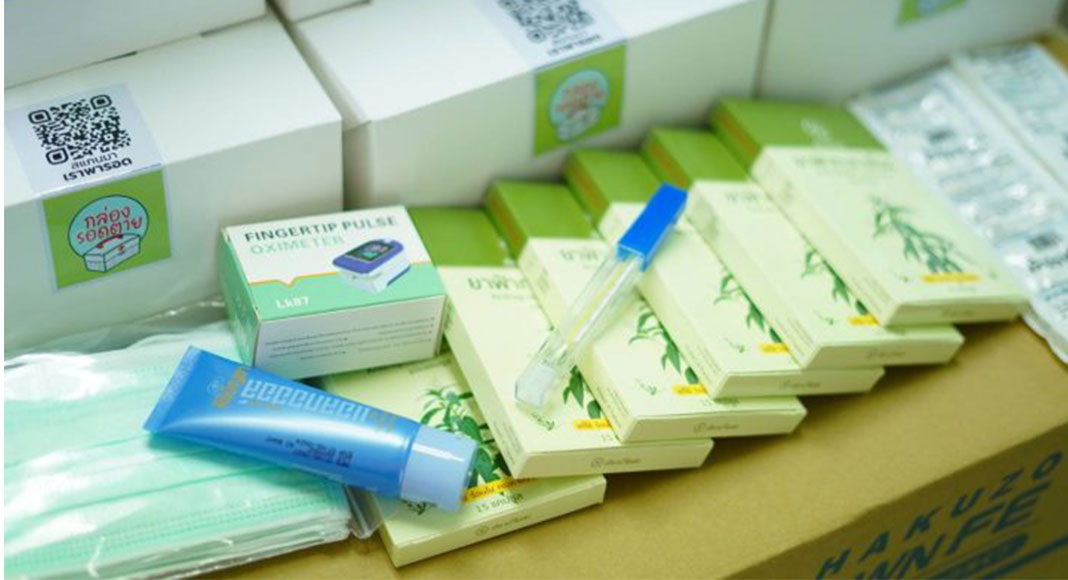
One survival kit contains necessary supplies for self-care for 14 days while waiting for a bed, or until the patients with mild symptoms get better or find a bed. These items, provided with reference from the Department of Disease Control, are:
- 1 thermometer
- 1 pulse oximeter
- 50 tablets of 500mg Paracetamol
- 90 capsules of Green chiretta (Andrographis paniculata)
- About 100 ml. of alcohol gel
- 15 pieces of disposable face masks
“Waiting patients or their relatives who see the above list may use it as a guideline for procuring self-care items to closely monitor the symptoms and reduce the risk of serious illness and death,” Asst. Prof. Dr. Juthamas said. The most important thing in caring for COVID-19 patients with mild symptoms is constant monitoring. Usually, temperature and oxygen levels need to be measured three times a day: morning, noon, and evening to report to the doctor to recommend medication or dispatch to the hospital.
In addition, the front of the kits has a QR Code of “Scan for survival” Line Official that will connect the patients with IUDC staff and volunteer groups who will keep them informed of useful information and follow up on their symptoms.
How to “survive” together
“We’ll be with you until you’re cured or until you get a hospital bed.”
The survival kit is a prototype idea that Asst. Prof. Dr. Juthamas hopes both the government and the private sector would pick up.
“There are still many patients who are not in the IUDC system waiting for their beds. If the patients or relatives know how to procure these necessary items to help them monitor the symptoms, they will help reduce the risk of serious illness and death,” Asst. Prof. Dr. Juthamas added.