









Mega Doctor News
By American Heart Association
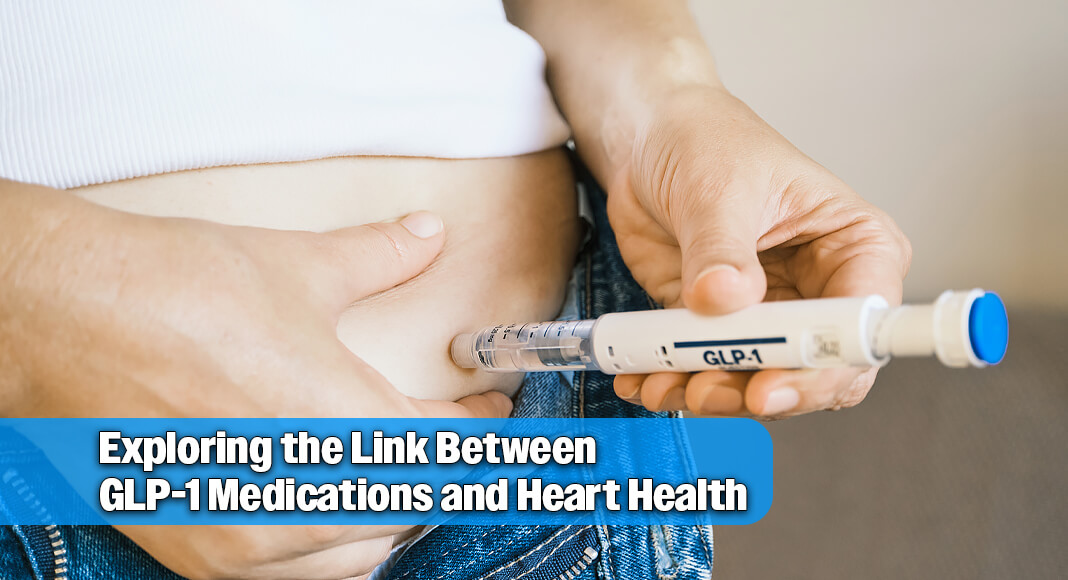
GLP-1 medications available for weight loss can affect more than the number on your bathroom scale. Researchers are studying how they may improve blood sugar levels, support heart health and deliver benefits that aren’t always reflected by weight alone.
If you’re considering one of these medications or simply trying to understand the growing buzz, here’s what experts say about how they work, who may benefit and why researchers are exploring their effects beyond weight loss.


What are GLP-1 medications?
Glucagon-like peptide-1 medications, or GLP-1s, are prescription medications that mimic a hormone your body releases after a meal. They can help people feel full, control blood sugar levels and slow stomach emptying.
Dr. Michael Blaha, a professor of medicine at Johns Hopkins University’s School of Medicine and the Bloomberg School of Public Health in Baltimore, describes GLP-1 as the body’s “fed, full and satiated hormone.”
GLP-1 medications are designed to work like the hormone but remain active in the body longer.
How GLP-1s may help beyond weight loss
Excess weight can increase the risk of high blood pressure, Type 2 diabetes, heart attack, stroke, heart failure and atrial fibrillation.
“The great thing about the GLP-1 medication is that you get health benefits even before you tip the scales,” said Blaha, who also is the immediate past chair of the Diabetes Science Committee of the American Heart Association’s Council on Lifestyle and Cardiometabolic Health.
Early changes in visceral fat, the fat that surrounds organs in the abdomen, may help explain why some health measures improve before any substantial weight loss, he said. High amounts of that fat are linked to inflammation, insulin resistance and cardiovascular risk.
“That’s why we see that inflammation comes down very quickly, and other health markers, such as blood pressure, can also start to come down quickly,” Blaha said.
What else might GLP-1s do for the heart?
Weight loss may help improve several risk factors for heart disease and stroke. But findings from clinical trials of some GLP-1 medications suggest that weight loss alone may not fully explain their cardiovascular benefits.
“We don’t think (weight loss) is the entire story,” said Dr. Tamer Sallam, a professor and vice chair in the Department of Medicine at the David Geffen School of Medicine at the University of California, Los Angeles, and director of the UCLA Center for Preventive Cardiology and Cardiometabolic Health. “We have also seen that the size of the benefit doesn’t necessarily track with how much weight someone loses.”
Researchers are studying how some GLP-1 medications may support cardiovascular health beyond weight loss, including:
- Lowering some markers of chronic inflammation
- Supporting healthy blood vessel function
- Changing how the body processes fats in the blood
- Changing how fat tissue stores energy
Blaha said changes in inflammation, blood vessel function and other health markers may not be reflected by weight alone.
“You’re getting all these other health benefits that may not be obvious with the scale, even when you haven’t hit your goals yet,” he said. “Even if the weight isn’t coming off at quite the speed you’d like, lots of good things are happening inside the body.”
How GLP-1s may affect body fat
Some GLP-1 medications have been linked to reductions in deep abdominal fat. Higher amounts of that fat are linked to greater cardiovascular and metabolic risk than fat stored under the skin.
Researchers are also studying whether GLP-1 medications may improve how fat tissue functions.
Sallam said healthy fat tissue helps keep excess sugar and fat from building up elsewhere in the body. When that process doesn’t work well, fat may collect in organs such as the liver and contribute to health problems.
“One of the important jobs of fat in our body is to soak up sugar and lipids from the bloodstream when the body needs it to,” he said. “GLP-1 drugs seem to improve that performance.”
Make a difference: Sign up for the Healthy Living BEYOND Weight Study.
How GLP-1s fit into a weight-management plan
For some people, nutritious eating and physical activity may not lead to enough weight loss to improve their health. Blaha said healthcare professionals had long sought additional treatment options for weight management.
“We knew that telling the average patient just to eat better and exercise wasn’t solving the problem,” he said. GLP-1 treatment “has filled a clear gap that we had in practice.”
Blaha said some of his patients also report changes they can feel in daily life.
“Patients come back and not only say, ‘My blood pressure is better, my diabetes is better,’ but also ‘I feel so much better, I’m so much happier and I like the way I think about myself.'”
Could a GLP-1 medication be right for you?
It’s important to first discuss health needs with your healthcare professional.
Blaha said available GLP-1 treatments vary in form and strength, allowing care to be tailored. “If a patient wants to avoid injections, we can do that,” he said. “If the patient doesn’t want to lose too much weight, we can do that too.”
You should also understand that GLP-1s are generally part of a broader care plan that addresses nutrition, physical activity, sleep and other cardiovascular risk factors.
“They don’t just work by themselves. They synergize with your own diet and exercise changes,” Blaha said. People taking a GLP-1 medication will commonly need to adjust their eating habits and activity to reduce side effects and help maintain muscle mass during weight loss, Blaha said.
If you struggle to be physically active, weight loss associated with some GLP-1 medications may make exercise easier. A care team can help with eating and activity plans that fit your abilities, resources and goals.
Researchers continue to learn more about how GLP-1 medications affect the body beyond weight loss. If you’re considering a GLP-1, make your first step a conversation with your healthcare professional to weigh the potential benefits, risks and treatment options for your individual health needs.
There’s no one-size-fits-all approach to a healthy weight. Learn how weight can affect heart and kidney health, blood pressure, blood sugar and more, and explore evidence-based resources to help you understand your options.