



Mega Doctor News

by American College of Surgeons (ACS)
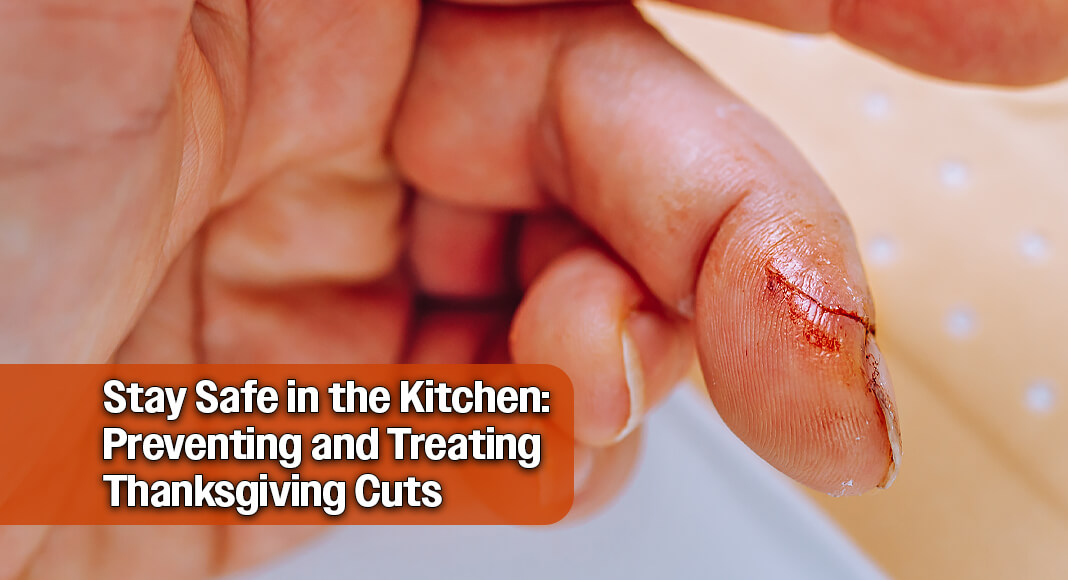
Newswise — CHICAGO — Preparing a holiday dinner can be as chaotic as it is joyous. A slip while chopping vegetables, peeling potatoes, or carving the turkey can happen even to the most experienced cooks.
The Consumer Product Safety Commission estimates that knives and other cutlery were associated with more than 400,000 emergency department visits in 2024. The figure includes injuries beyond the kitchen but underscores the frequency of knife and cutlery injuries.


“Emergency departments often see spikes in injuries around food-centric holidays like Thanksgiving,” said David S. Shapiro, MD, FACS, chair of the American College of Surgeons (ACS) Stop the Bleed program and a trauma surgeon based in Connecticut. “Preventing cuts starts with understanding how they happen and planning ahead. If an injury does occur, knowing how to control the bleeding and when to seek care can help people respond promptly.”
The ACS Stop the Bleed program teaches people how to respond to a bleeding emergency using three life-saving techniques that anyone can learn: how to apply direct pressure, pack a wound, and use a tourniquet when appropriate while emergency help is on the way. The basic principles of bleeding control can be used for minor cuts as well as deeper wounds that may require more urgent care.
Set Up a Safer Cutting Area
Prepare ingredients in advance, and set aside a stable, distraction-free cooking area where others won’t bump into you. Use a cutting board, keep your fingers curled away from the blade, and avoid cutting toward your hand.
“If you’re cutting something round, use a cutting board to prevent slips, and wear shoes and appropriate clothing,” Dr. Shapiro said. “These are chef tips, but they really do work.”
Keep knives out of a sink full of soapy water, where someone could reach without seeing the blade and cut themselves. Dr. Shapiro also recommends using a properly sharpened knife: A dull blade can require more force and may slip.
If You Get Cut, Control the Bleeding First
Stop what you’re doing and press firmly on the wound with a clean cloth or gauze. Keep steady pressure rather than lifting the cloth repeatedly to check the cut. If blood is flowing heavily or will not stop, call 911 and continue pressing until help arrives.
“People often rush to the sink to rinse a cut, but with a deeper wound, stop the bleeding first,” Dr. Shapiro said. “Once the bleeding is controlled, rinse away any food or debris with running tap water.”
For a minor cut, clean the wound with soap and water and cover it with a bandage or gauze. People taking blood thinners may need to hold pressure on the wound longer and should pay particular attention to bleeding that does not stop.
Know When to Get Medical Care
Seek prompt care if bleeding persists despite firm pressure; the wound is deep or gaping; you can see fatty tissue or bone; or a finger feels numb or cannot move normally. Recognize serious bleeding and seek emergency care by noticing blood spurting or staining clothing.
“If you can’t straighten or bend your finger, or it feels numb or tingly, it should be evaluated by a medical professional,” Dr. Shapiro said. A clinician can also determine whether a tetanus booster is needed based on the wound and your vaccination history.
For a deep injury, don’t wait until after the holiday gathering to get care. A clinician can assess possible damage beneath the skin and whether the wound needs closure. Bleeding control techniques should be implemented by you or bystanders immediately, even if EMS has been called or you’re on the way to the hospital.
In the more severe event that part of a finger is cut off, call 911 right away. Press firmly on the wound with a clean cloth to slow the bleeding. If you can find the cut-off part, gently rinse away any dirt. Wrap the part in a clean, damp cloth and put it in a sealed plastic bag. Place the sealed bag in ice water to keep it cool, without letting the cut-off part touch the ice or water directly, and bring the bag to the hospital.
“As a trauma surgeon, I want everyone to enjoy the holidays and stay safe,” Dr. Shapiro said. “Knowing how to respond calmly and apply these techniques to a bleeding injury can help people feel more prepared for the unexpected.”
Anyone can learn bleeding control techniques for free through an ACS Stop the Bleed interactive or in-person course.
# # #
About the American College of Surgeons The American College of Surgeons (ACS) is a scientific and educational organization of surgeons that was founded in 1913 to raise the standards of surgical practice and improve the quality of care for all surgical patients. The ACS is dedicated to the ethical and competent practice of surgery. Its achievements have significantly influenced the course of scientific surgery in America and have established it as an important advocate for all surgical patients. The ACS has more than 95,000 members and is the largest organization of surgeons in the world. “FACS” designates that a surgeon is a Fellow of the ACS.
Follow the ACS on social media: X | Instagram | YouTube | LinkedIn | Facebook