Mega Doctor News

Bullying isn’t always easy to recognize, but it’s impact can last a lifetime.
Whether it comes in the form of hurtful words, social exclusion or online harassment, bullying can take a serious toll on a person’s mental, emotional and social well-being.
About one in three teenagers ages 12 to 17 experienced bullying within a 12-month period, according to data collected by the Centers for Disease Control and Prevention between 2021 and 2023. This alarming statistic underscores the importance of recognizing bullying early and taking proactive steps to prevent it from affecting more children and teens.

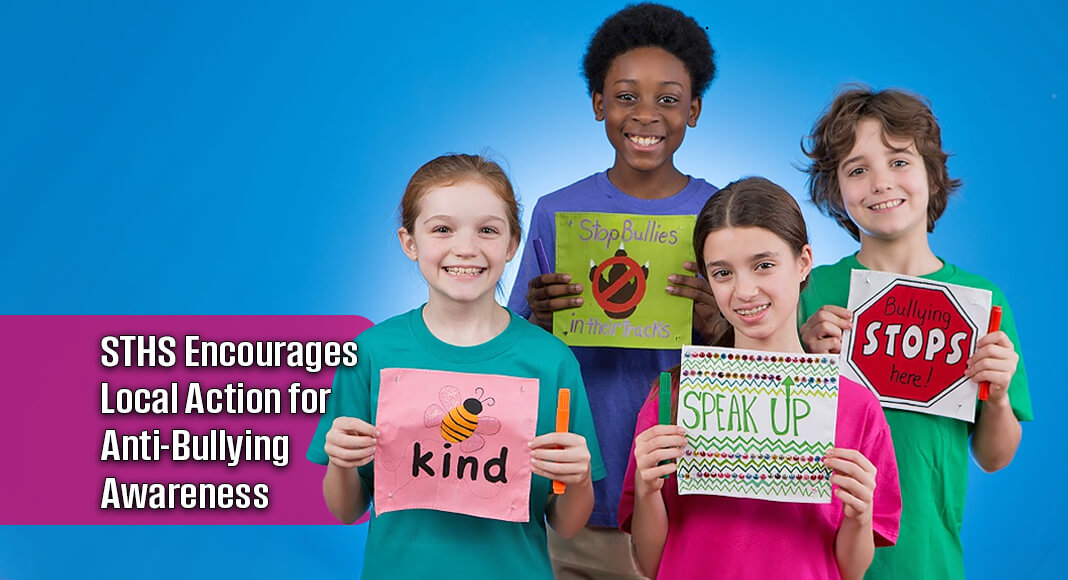
This October, South Texas Health System (STHS) Children’s and STHS Behavioral are joining the nationwide observance of National Bullying Prevention Awareness Month, helping families recognize the warning signs of bullying, address harmful behaviors and better protect children and adolescents.
“Bullying isn’t something children should have to face on their own,” said Bob Cooper, LCSW-S, Director of Utilization Review, STHS Behavioral. “When a child is repeatedly targeted or made to feel like they don’t belong, it can affect their confidence, relationships and emotional development. It’s important that we take their experiences seriously and make sure they know someone is there to listen, support and help.”
Bullying can take many forms, including physical intimidation, verbal harassment, social exclusion and cyberbullying. Unfortunately, the warning signs are not always obvious. Children experiencing bullying may become reluctant to attend school, withdraw from friends and activities, experience changes in mood or behavior, or show a sudden decline in academic performance.
To help families and community members recognize and address bullying, South Texas Health System offers the following tips:
Keep communication open: Regularly discuss school, friendships and online experiences with children. Encourage honest conversations and reassure them that they can come to you with concerns.
Recognize the warning signs: Watch for changes in mood, sleeping habits, school performance, eating patterns or interest in favorite activities.
Lead by example: Demonstrate kindness, empathy and respect in your daily interactions. Teach children the value of accepting differences and including others.
Promote online safety: Discuss responsible social media use, establish appropriate boundaries and encourage children to report cyberbullying or harmful online behavior.
“Preventing bullying starts with the conversations we have at home and the examples we set for our children,” Cooper said. “We need to teach them that their words and actions matter, whether they’re standing up for someone being mistreated or simply making an effort to include others.”
To demonstrate its commitment to bullying prevention, STHS is encouraging all staff members to wear orange during their shifts on Wednesday, October 14, in observance of Unity Day.
STHS Children’s and STHS Behavioral are also inviting families, schools, businesses and community members throughout the Rio Grande Valley to participate and help foster a culture of kindness, acceptance and inclusion.
If your child is struggling with bullying, anxiety, depression or other emotional or behavioral concerns, help is available. For a confidential assessment or more information about behavioral health services, call STHS Behavioralat 956-388-1300. Trained mental health professionals are available to help individuals and families access the support and resources they need.
For individuals experiencing emotional distress or in need of additional support, the 988 Suicide & Crisis Lifelineprovides free, confidential assistance 24 hours a day, seven days a week. Call or text 988 to connect with a trained crisis counselor.