
The Science of Relief: Knowing Exactly When to Use Heat or Ice

Translate to Spanish or other 102 languages!

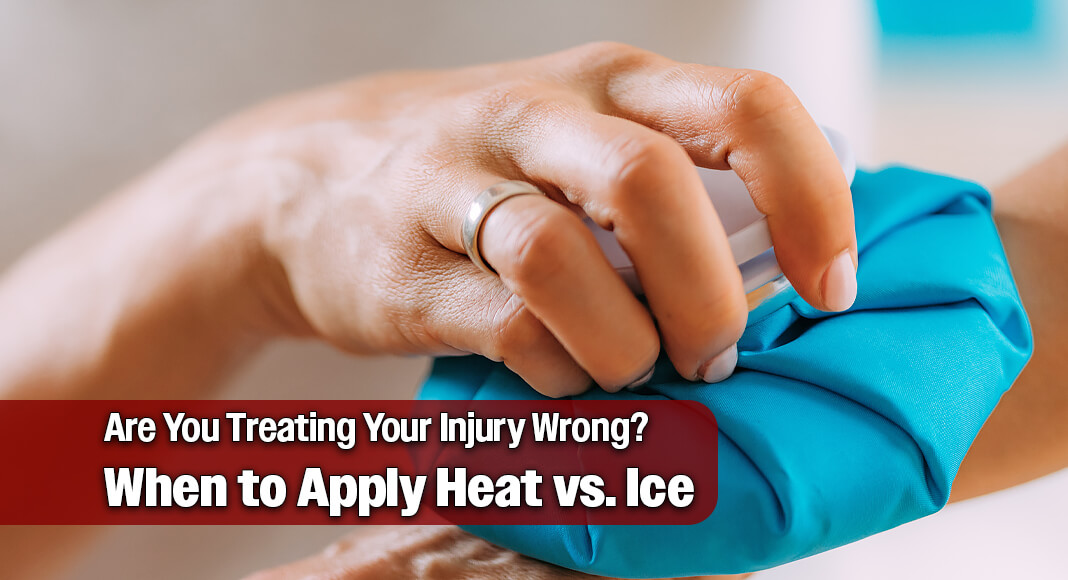
When it comes to strains, sprains, bumps and bruises, do you know when to use heat or ice? Image for illustration purposes
- Advertisement -

CLEVELAND CLINIC – When it comes to strains, sprains, bumps and bruises, do you know when to use heat or ice? 

They can be easy to mix up, however, there are some helpful tips to keep in mind. 

“The traditional advice has been to use ice for 10 to 20 minutes at a time, every one to two hours and to cycle that through for the first 24 to 48 hours,” said John Hanicak, MD, family medicine physician at Cleveland Clinic.

- Advertisement -

Dr. Hanicak said after the first 48 hours, it’s okay to apply some heat to the injury. 

The recommendations are the same: use heat for ten to twenty minutes at a time every one to two hours. 

He said you can overdo it with both heat and ice, so it’s important to be careful. 

For example, if you leave ice on an injury for too long, it can cause tissue damage. 

- Advertisement -

“If you decide to use a heating pad, make sure that there is no type of topical analgesic or topical pain-relieving cream underneath that. There should be really nothing between the heating pad and your skin in the form of a cream. It’s very common that people with topical analgesics who place a heating pad on top of that will force that cream further into the skin, resulting in a serious tissue injury or burn. So, we see that a lot and it’s something to pay attention to,” he noted.

Dr. Hanicak said if your injury doesn’t seem to be improving with time, it’s best to consult with your physician. 

If you hit your head and are experiencing any kind of dizziness, vomiting, headaches or confusion, you should seek help right away. 

- Advertisement -
- Advertisement -

- Advertisement -

More Articles

Why Your Diet Might Not Be the Only Reason Your Cholesterol Is High

Can a low-carb diet cause your cholesterol to skyrocket? This question has vexed researchers and influencers alike as the popularity of low-carbohydrate diets has surged, yet the evidence has remained mixed. New research suggests that the answer depends on your genes. 

A Parent’s Guide to Back-to-School Allergies

Being ready for the school year means more than gathering clothes and supplies – it also means adequately preparing your child and the school staff to deal with your child’s allergies and asthma.

Physicians Urge Updating Child Vaccinations Before School Starts

Texas physicians have an important message for parents as the new school year is about to begin: Ensure your children are current on all their necessary vaccinations. 

New Study Reveals 80% of Packaged Toddler Foods Are Ultra-Processed

An audit of toddler foods sold at 21 grocery stores in Texas revealed that 4 out of 5 products were ultra-processed and 49% of all products failed to meet at least one nutrient standard established by the World Health Organization (WHO) Nutrition and Promotion Profile Model (NPPM) for commercial foods intended for children aged 6-36 months.
- Advertisement -