Mega Doctor News

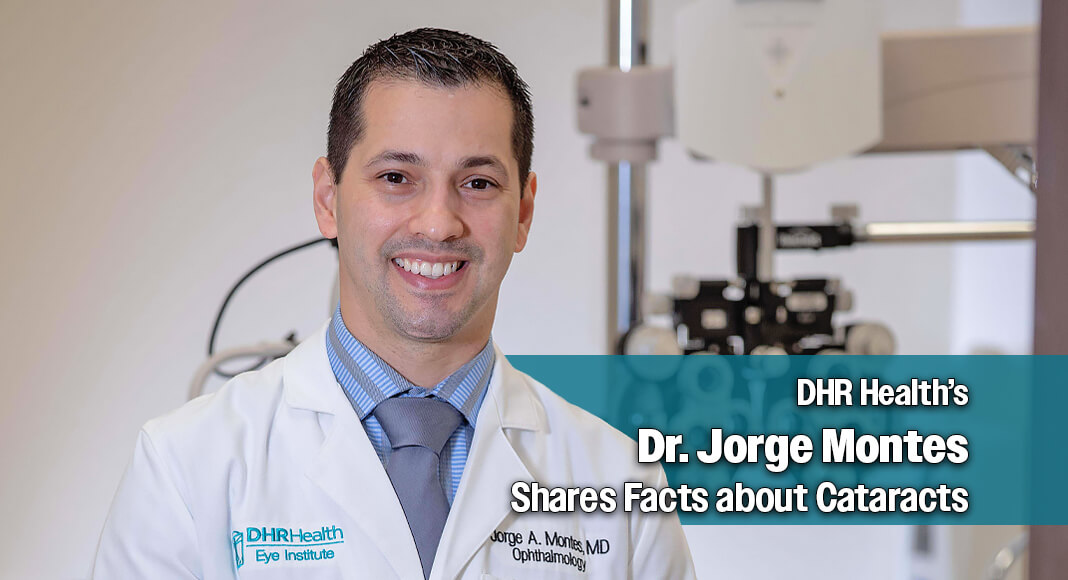
EDINBURG, Texas – According to the National Eye Institute, approximately 24 million Americans have cataracts, a condition of the eye that causes cloudy, blurry or dim vision and often develops with the advancing age of person. During “Cataract Awareness Month,” which is observed in June, DHR Health Ophthalmologist, Dr. Jorge Montes, and the American Academy of Ophthalmology, want to share three facts everyone should know about the condition and its treatment.
“Aging naturally causes the eyes’ lenses to thicken and cloud over, making street signs hard to read and colors appear faded. These common changes often signal cataracts, a condition affecting nearly 70% of adults by age 75. Fortunately, cataracts are highly treatable,” said Dr. Montes who recommends scheduling an evaluation with an ophthalmologist, or a medical doctor specializing in advanced eye care, to discuss a safe, corrective surgery option.
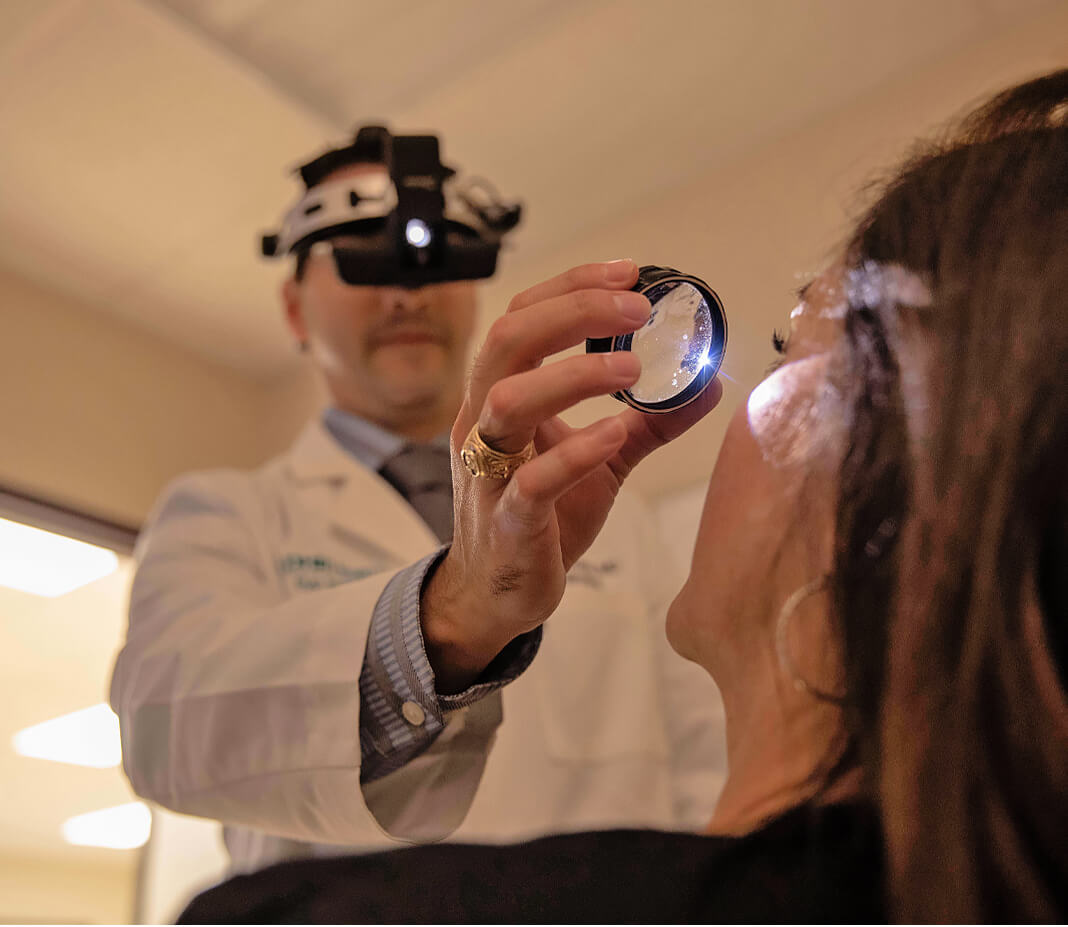
Here are some facts that people should know about cataracts.

• Age isn’t the only risk factor for cataracts. Though most everyone will develop cataracts with age, recent studies show that lifestyle and behavior can influence when and how severely you develop cataracts. Diabetes, extensive exposure to sunlight, smoking, obesity, high blood pressure and certain ethnicities have all been linked to increased risk of cataracts. Eye injuries, prior eye surgery and long-term use of steroid medication can also result in cataracts. If you have any of these or other risk factors, talk to an ophthalmologist.
• Cataracts cannot be prevented, but you can lower your risk. Wearing UV-blocking sunglasses and brimmed hats when outside can help. Several studies suggest that eating more vitamin C-rich foods may delay how fast cataracts form. Also, avoid smoking cigarettes, which have been shown to increase the risk of cataract development.
• Surgery may help improve more than just your vision. During the procedure, the natural clouded lens is replaced with an artificial lens called an intraocular lens, which should improve your vision significantly. Patients have a variety of lenses to choose from, each with different benefits. Studies have shown that cataract surgery can improve quality of life and reduce the risk of falling. If cataracts are interfering with your ability to see well, consider asking your ophthalmologist about cataract surgery.
The DHR Health Eye Institute is located at 4500 N. 10th Street in McAllen. To schedule an appointment with Dr. Jorge Montes, call (956) 362-2070.