








Mega Doctor News
Mega Doctor News
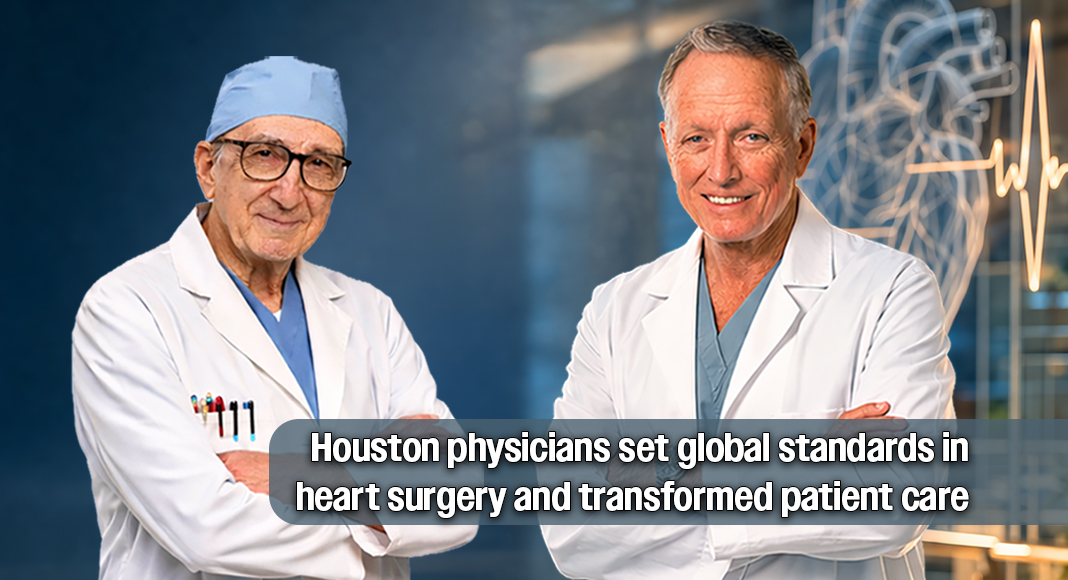
Dr. Michael DeBakey and Dr. Denton Cooley stand among the most influential figures in the history of cardiovascular medicine, with careers that reshaped heart surgery and positioned Houston, Texas, as a global center for medical innovation. Their work, spanning decades of research, surgical advancement, and institutional leadership, contributed to life-saving techniques and technologies that remain in use today.
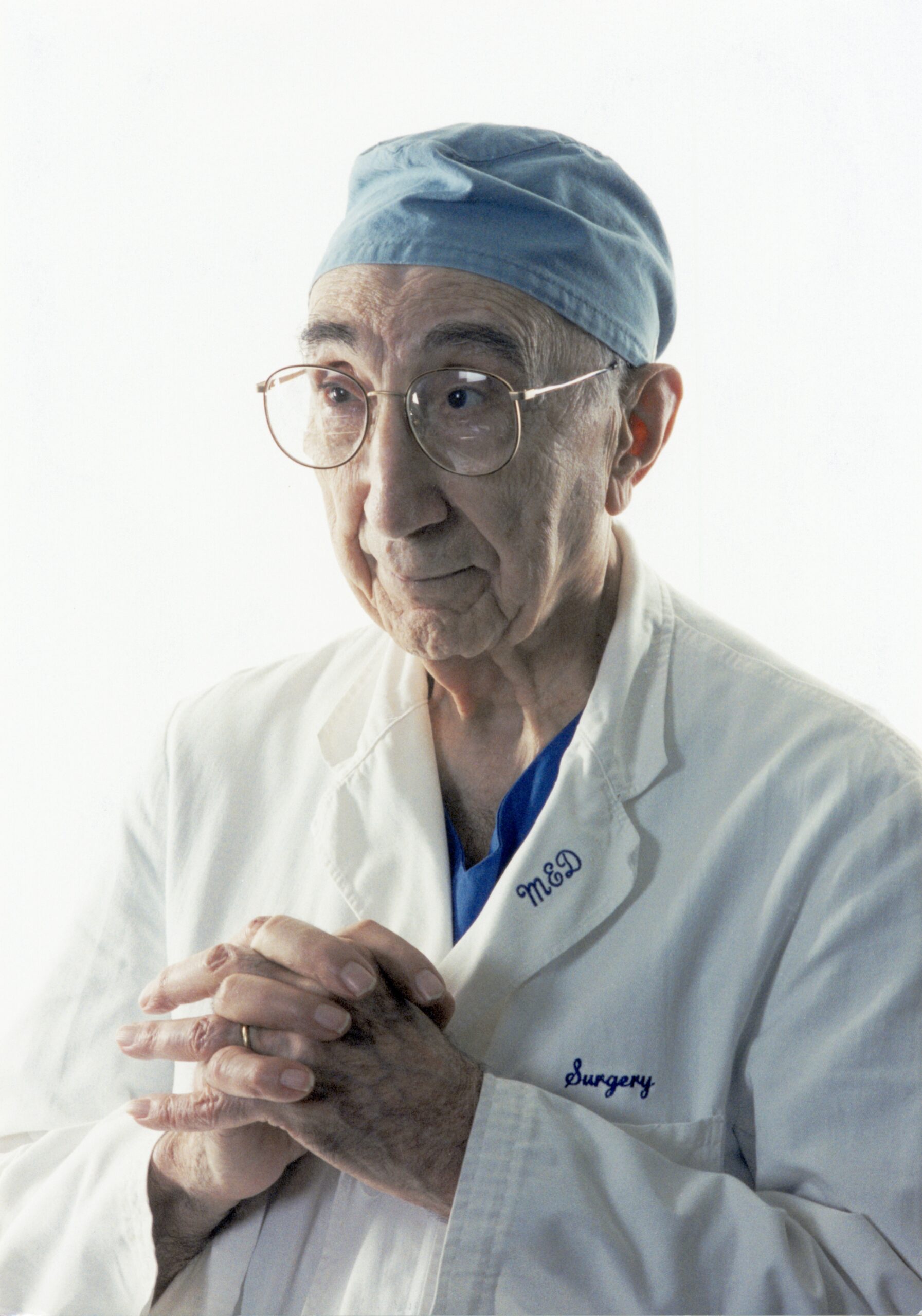
DeBakey, born in 1908, demonstrated an early focus on surgical innovation. While still a medical student, he developed the roller pump, a device that later became a central component of the heart-lung machine. This advancement enabled surgeons to temporarily assume the functions of the heart and lungs during surgery, making open-heart procedures possible and significantly improving patient outcomes. His early contribution laid the groundwork for the rapid expansion of cardiac surgery in the mid-20th century.

Throughout his career at Baylor College of Medicine and affiliated institutions, DeBakey pioneered numerous surgical techniques. He is closely associated with the development and refinement of coronary artery bypass surgery, a procedure that restores blood flow to the heart and remains one of the most commonly performed cardiac operations. He also introduced the use of Dacron grafts, synthetic tubes used to repair or replace damaged blood vessels, which became a standard tool in vascular surgery. These innovations expanded treatment options for patients with previously inoperable conditions.
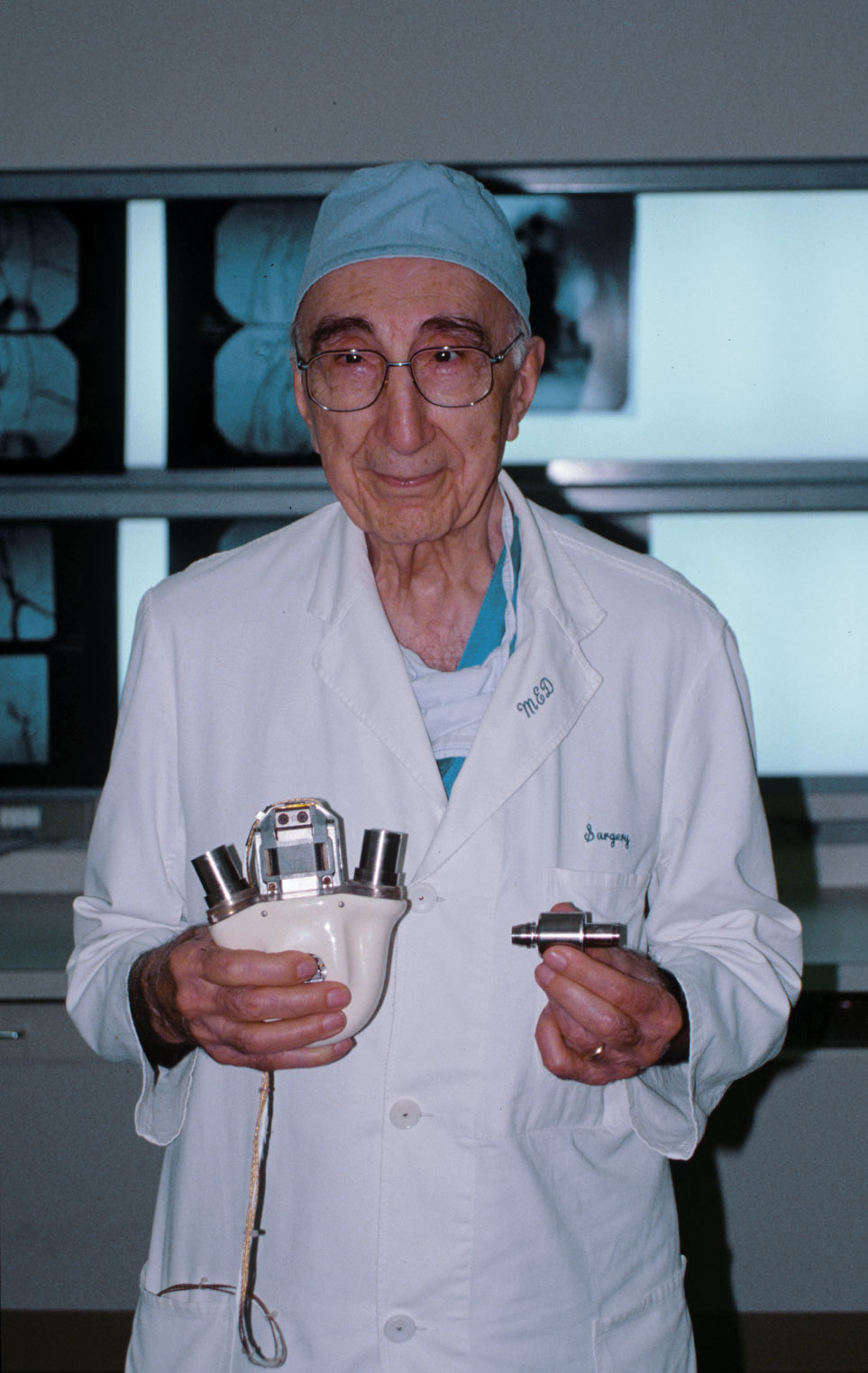
DeBakey’s work extended into the development of mechanical devices to support heart function. He contributed to early artificial heart research and advancements in ventricular assist devices, which help maintain circulation in patients with severe heart failure. His contributions were not limited to clinical practice; he also played a key role in building medical institutions, shaping training programs, and advising U.S. presidents on healthcare policy. He was instrumental in the development of mobile army surgical hospital (MASH) units, improving trauma care in military settings.
Cooley, born in 1920, trained under DeBakey and became a leading figure in his own right. He built his reputation on surgical precision and a commitment to advancing cardiac care. In 1969, Cooley performed the first implantation of a total artificial heart in a human patient, a milestone that demonstrated the potential of mechanical devices to temporarily replace the heart’s function. This achievement marked a turning point in cardiac surgery and contributed to ongoing research in heart replacement technologies.
In addition to this historic procedure, Cooley played a significant role in refining techniques for coronary artery bypass surgery and other complex cardiac operations. His work helped improve surgical outcomes and reduce risks associated with heart procedures. Recognizing the need for a dedicated center for cardiovascular care, Cooley founded the Texas Heart Institute in Houston. The institute became a leading hub for patient care, research, and physician training, attracting medical professionals from around the world.
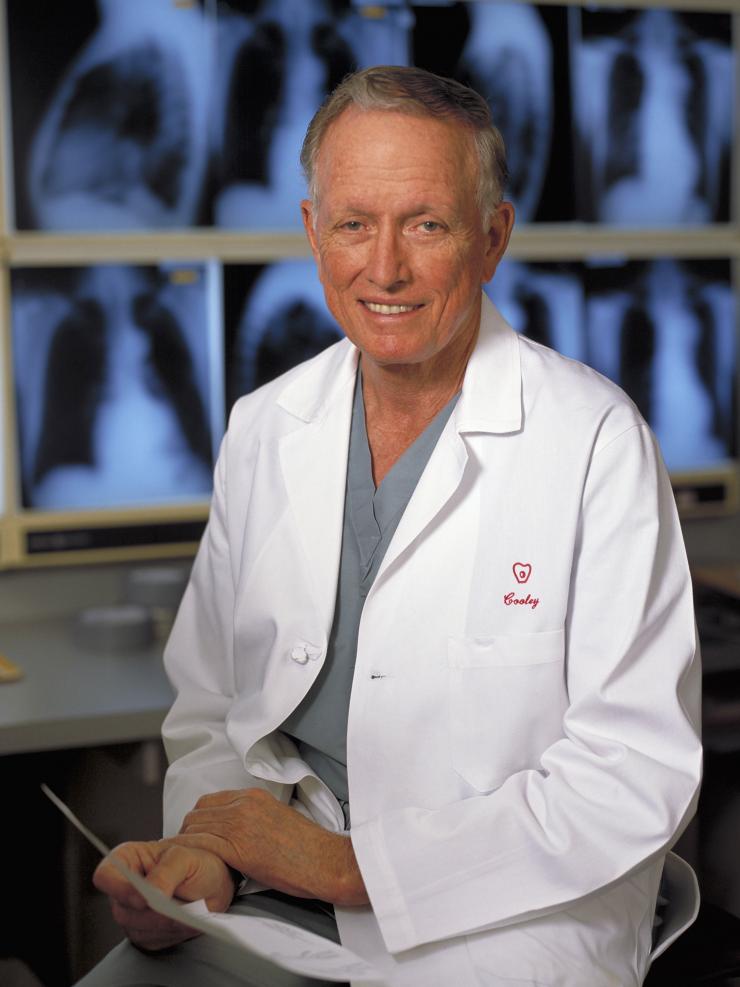
Over the course of his career, Cooley performed tens of thousands of heart operations and helped establish protocols that improved efficiency and safety in the operating room. His contributions to surgical practice and education influenced generations of cardiovascular surgeons and strengthened Houston’s position as a center for medical excellence.
Although their professional relationship included periods of collaboration and separation, both DeBakey and Cooley contributed to a shared legacy of innovation and progress in heart surgery. Their combined efforts accelerated the development of procedures and technologies that expanded the boundaries of cardiovascular treatment. Together, they helped define an era of rapid medical advancement, in which conditions once considered untreatable became manageable or curable.
DeBakey continued his work well into his later years, remaining active in research and education until his death in 2008 at the age of 99. Cooley, who also maintained a long and productive career, died in 2016 at the age of 96. Their enduring influence is reflected in the widespread adoption of the techniques they developed, the institutions they helped build, and the countless lives they improved.
The legacy of DeBakey and Cooley remains central to the evolution of modern cardiovascular medicine. Their innovations in surgical techniques, medical devices, and institutional leadership continue to guide current practices and inspire ongoing advancements in the treatment of heart disease.
See related story:


