Mega Doctor News

The prevalence of irritable bowel syndrome (IBS) is on the rise in the United States. Studies show rates nearly doubled from 6% to 11% during the pandemic, according to the American Gastroenterological Association, with health experts attributing the increase to heightened stress, sedentary routines and poor diet.
Today, IBS affects roughly 25 to 45 million people in the U.S., with 48% reporting moderate symptom severity, according to the Centers for Disease Control and Prevention (CDC), yet many individuals still go undiagnosed.
Affecting the gastrointestinal tract, IBS is a chronic condition linked to gut-brain interaction, where miscommunication between the brain and digestive system makes the gut overly sensitive and reactive.

“The digestive tract and brain communicate with each other through the gut-brain axis,” explains Eduardo Candanosa, MD, a family and emergency medicine physician affiliated with South Texas Health System (STHS). “When that communication becomes imbalanced, gut sensitivity increases and unpleasant symptoms can follow. It’s like a two-way street: Your brain can trigger physical symptoms in your gut, and your gut can influence your mood.”
Frequently triggered by stress or food sensitivities, IBS does not cause permanent bowel damage or increase the risk of colorectal cancer, according to health experts.
However, it often becomes a lifelong challenge marked by irregular flare-ups that require ongoing, day-to-day adjustments.
“Living with IBS involves managing chronic, unpredictable symptoms like severe abdominal pain, bloating, cramping and alternating diarrhea or constipation,” says Dr. Candanosa. “These symptoms can significantly disrupt daily life, often leading to anxiety, social isolation and embarrassment about needing quick access to a bathroom.”
IBS requires long-term management, with treatment typically focused on relieving symptoms through lifestyle changes like dietary modifications, regular exercise, stress reduction, probiotics, and when needed, medication and counseling.
Knowing your IBS triggers, often dietary, stress-related or lifestyle-based, is essential for reducing flare-ups, managing painful symptoms like bloating and cramping, and improving overall quality of life.
By identifying and avoiding personal triggers like high-fat foods, alcohol or stress, individuals can regain control, reduce reliance on medication and adopt targeted dietary or behavioral strategies.
“When it comes to IBS, it’s important to collaborate with a medical professional to obtain an accurate diagnosis, ruleout more serious conditions and develop a tailored, effective management plan,” says Dr. Candanosa. “Your doctor can help guide personalized diet, lifestyle and medication options to help improve quality of life and manage chronic symptoms.”
Since IBS symptoms are often triggered or worsened by stress, working with a mental health professional can alsohelp by teaching stress management, helping calm visceral hypersensitivity and reshaping negative thought patterns that often accompany digestive symptoms.
“Seeing a therapist can truly be a game changer,” says Dr. Candanosa. “For many patients, it’s often the missing linkwhen diet and medication aren’t fully controlling their symptoms.”
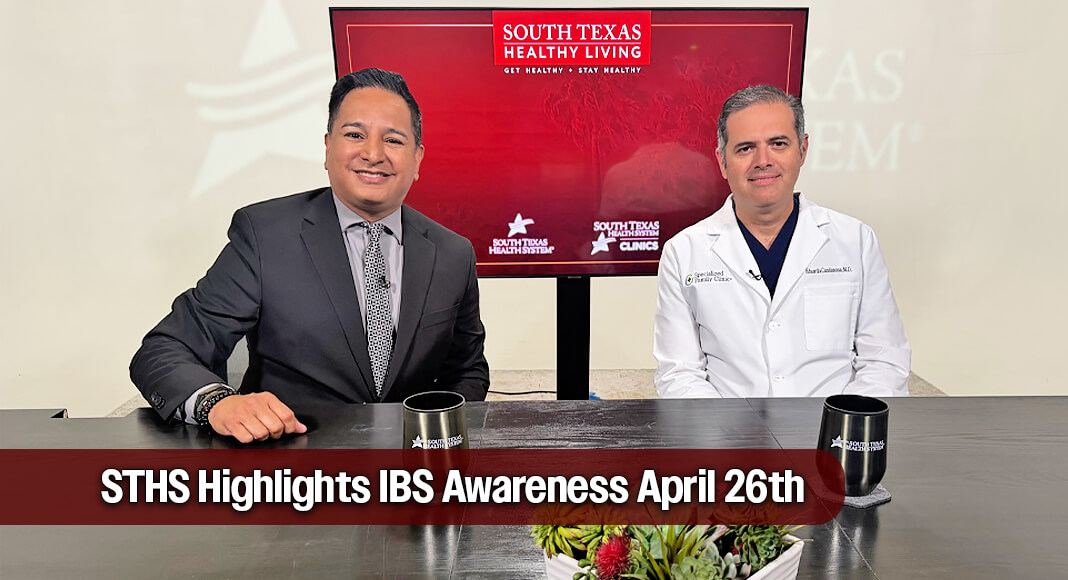
To help Rio Grande Valley residents better understand IBS, STHS will dedicate the latest episode of its monthly “South Texas Healthy Living” television program to the common, chronic functional disorder of the gastrointestinal (GI) tract.
Broadcast live on Sunday, April 26, 2026, at 9:00 a.m. on KVEO NBC 23, the episode will feature an indepth interview with Dr. Candanosa, who will discuss the risk factors, triggers and symptoms of IBS, along with current treatment options.
Additionally, STHS System Director of Marketing & Public Relations and “South Texas Healthy Living” host Tom Castañeda speaks with a 45-year-old Mission woman who has been living with IBS for nearly three decades to learn about the proactive steps she has taken to prevent flare-ups and hear her advice for others on protecting their gut health.
The program will also feature a special healthy cooking segment led by Patrick Woodin, STHS McAllen’s Director of Dietary & Nutrition Services, an exercise demonstration with a member of the STHS Edinburg OutpatientRehabilitation Center team and important strategies for managing IBS.
“Along with working with your doctor to get an accurate diagnosis and a personalized treatment plan, self-care plays a huge role in managing IBS. By tracking your food triggers, adjusting your diet, staying active, managing stress and drinking plenty of water you can take control of IBS,” says Castañeda. “In this new episode of ‘South Texas Healthy Living,’ we’ll share simple, practical tips, from quick exercises to everyday nutrition ideas, to help you take better care of your gut and feel more confident managing your health as you work to get healthy and stay healthy.”
To learn more about IBS, be sure to tune in to the latest episode of “South Texas Healthy Living” on Sunday, April 26, at 9:00 a.m. on KVEO NBC 23, with an encore airing on Sunday, May 3, at 9:00 a.m. on KVEO-TV NBC 23.
To watch previous episodes of “South Texas Healthy Living” and the system’s South Texas Health Updates, one-minute videos offering education on a variety of health topics, visit South Texas Health System’s Medical Minute page on ValleyCentral.com.