




Mega Doctor News


By Chloe Corey / Mayo Clinic News Network
ROCHESTER, Minn. — A Mayo Clinic study is providing new insights into how treatment sequence can affect survival in patients with early-stage pancreatic cancer, suggesting that many patients may benefit from receiving chemotherapy before surgery.
The findings, published in the JNCCN—Journal of the National Comprehensive Cancer Network, were based on more than 1,400 patients treated across Mayo Clinic’s campuses in Minnesota, Arizona and Florida. Researchers found that when pancreatic tumors were in contact with the superior mesenteric vein — a major blood vessel by the pancreas — patients who underwent surgery first experienced reduced survival rates. In contrast, patients who received chemotherapy before surgery had similar survival outcomes to those whose tumors were not touching the vein.


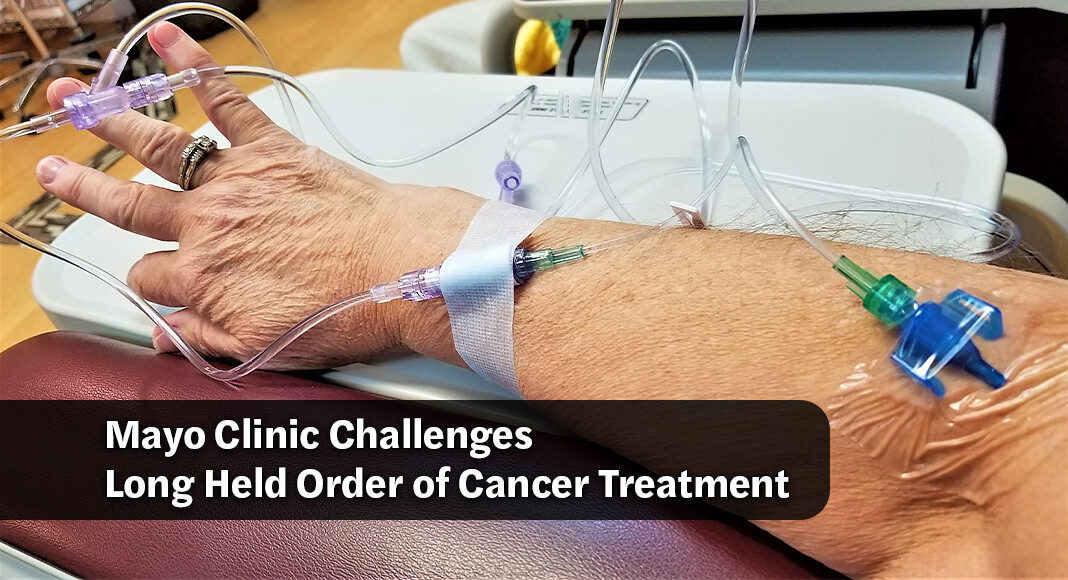
Image: mayoclinic.org
“Many patients with early-stage pancreatic cancer undergo surgery first because it is historically believed to be the best chance for cure,” says Zhi Ven Fong, M.D., Dr.PH., surgical oncologist at Mayo Clinic in Arizona and co-senior author of the study. “Our findings suggest that chemotherapy first, even in cases thought to be more straightforward, provides patients with the best opportunity for long-term survival.”
Pancreatic cancer is notoriously aggressive, and progress over the past decade to increase patient survival has been limited. Chemotherapy before surgery, called neoadjuvant chemotherapy, aims to shrink the tumor and target cancer cells that may have spread. This approach increases the chance of complete tumor removal during an operation and improves survival outcomes.

Image: mayoclinic.org
“Our data confirms what we’ve seen in practice at Mayo Clinic for years,” says Mark Truty, M.D., surgical oncologist at Mayo Clinic in Minnesota and co-senior author. “The timing of surgery relative to chemotherapy is critically important for patient outcomes.”
Rethinking pancreatic tumor classification
The study also highlights opportunities to refine how pancreatic cancer is classified. Current guidelines from the National Comprehensive Cancer Network categorize tumors by how much they touch certain critical blood vessels. Those with less than 180 degrees on the vein are considered upfront resectable, meaning surgery should be performed right away without chemotherapy first. Mayo Clinic’s data suggest that these patients may do better if chemotherapy is considered before surgery.
“Our findings suggest that guidelines could be updated to reclassify tumors with any vein involvement as borderline resectable and to only include cancers with no vein involvement as upfront resectable,” says Dr. Fong.
The findings reinforce Mayo Clinic’s approach, which already prioritizes chemotherapy before surgery for all pancreatic cancer patients, regardless of stage. Researchers believe this evidence will encourage continued discussion within the oncology community and support thoughtful refinements to national treatment recommendations.
“Our hope is that this study empowers both patients and clinicians to think carefully about treatment sequencing,” says Dr. Truty. “We want people to know they have options, and that starting with chemotherapy may be the best path forward.”
Information source: Mayo Clinic News Network